Buying Historic Homes in Harmony, PA’s Landmark Village
April 2, 2026
April 2, 2026
Thinking about buying in a place where history is part of daily life? Harmony offers that rare mix of small-town charm, preserved architecture, and real neighborhood living. If you are considering a home in this landmark village, it helps to understand how the historic district, older homes, and preservation rules can shape your search and your long-term plans. Let’s dive in.
Harmony has a story you can still see in its streets and buildings. The borough says the town was laid out in 1804 by George Rapp and the Harmony Society, a German immigrant community seeking religious freedom, and that the settlement quickly grew into a substantial village with more than 100 buildings before the group left in 1814. Today, the borough of Harmony notes that downtown was designated a National Historic Landmark District in 1974 and includes more than 50 preserved buildings.
That historic identity goes beyond a few old houses. According to the National Park Service nomination for the district, the original town plan, surviving buildings, and Harmonist cemetery are all key features of the landmark district. For you as a buyer, that means the layout of the village and the feel of the streetscape matter almost as much as any single property.
Harmony also has more than one historic layer. After the Harmonists sold the town to Mennonite Abraham Ziegler, the community continued to evolve, creating a mix of early village history and later additions. The borough also points to an 1874 expansion known as Swampoodle, which helps explain why some homes and streets feel different from the original landmark core.
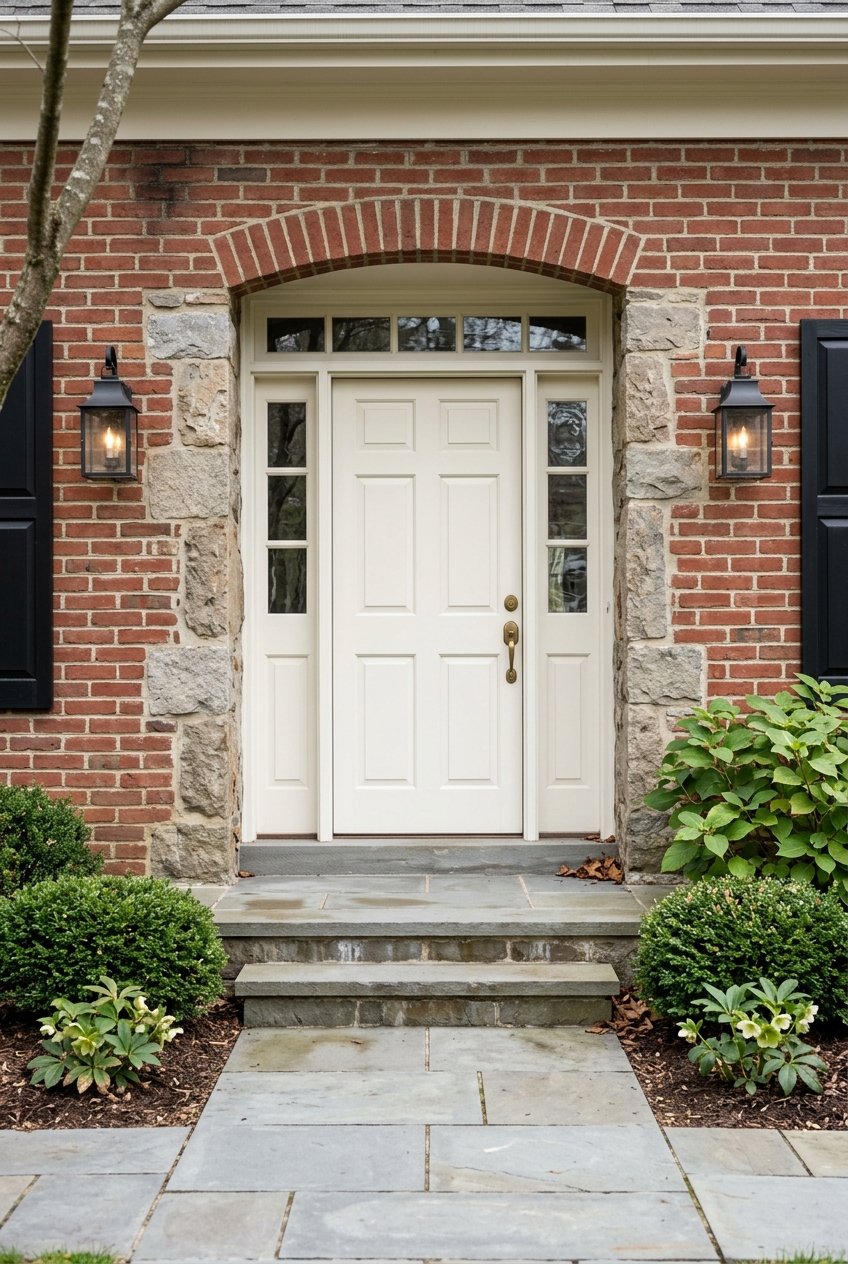
If you picture highly ornate historic houses, Harmony may surprise you. The district is known more for simple, sturdy early-19th-century buildings than for decorative showpieces. The National Park Service describes the architecture as a blend of Old World tradition and colonial influences, with early log structures eventually replaced by more substantial brick buildings.
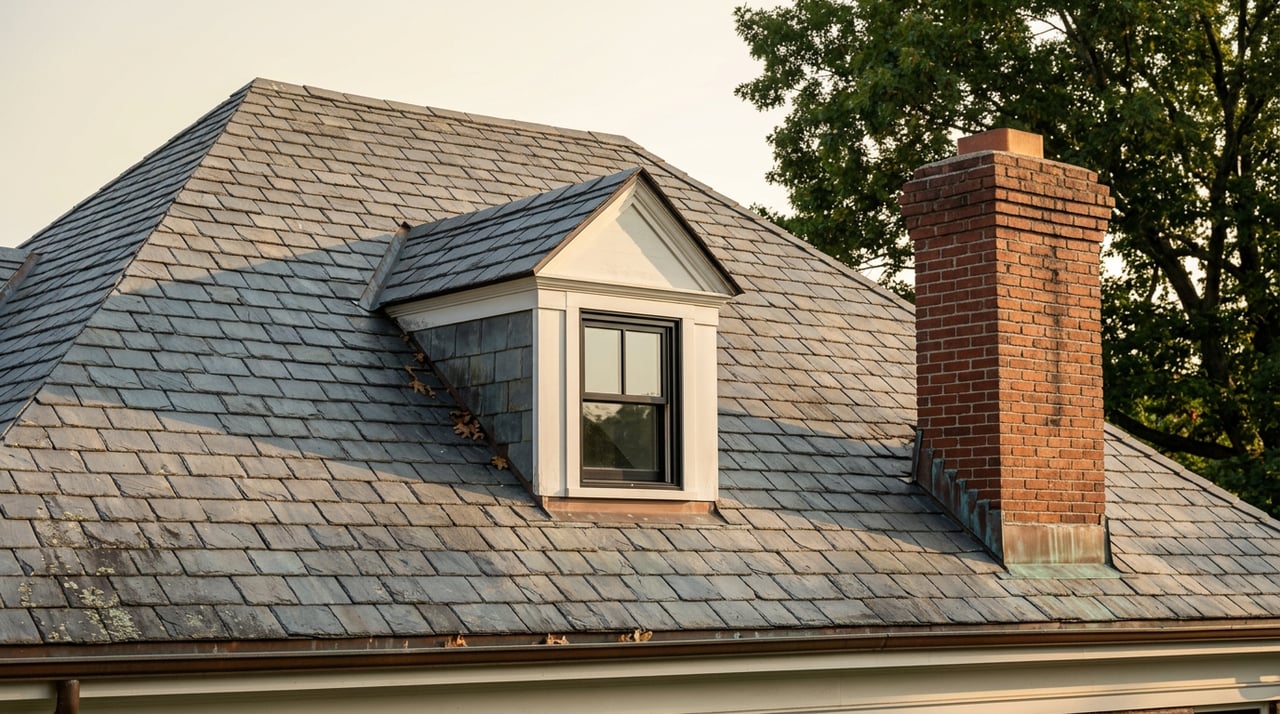
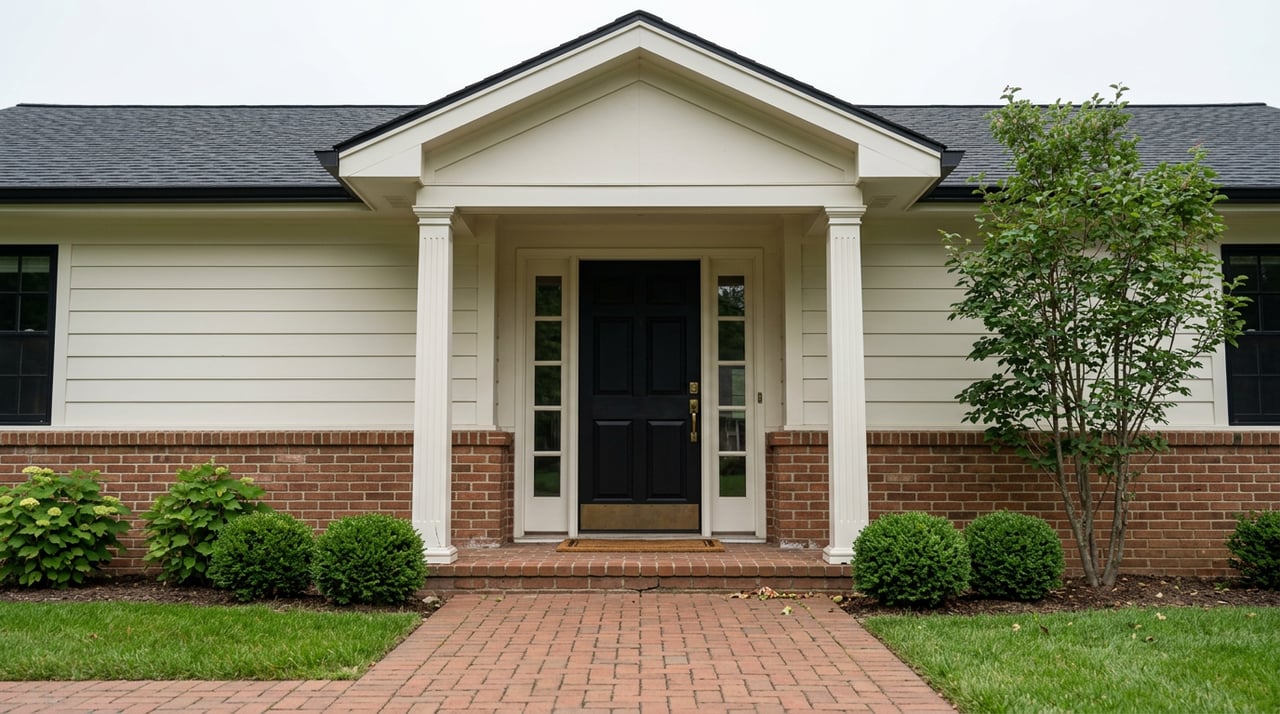
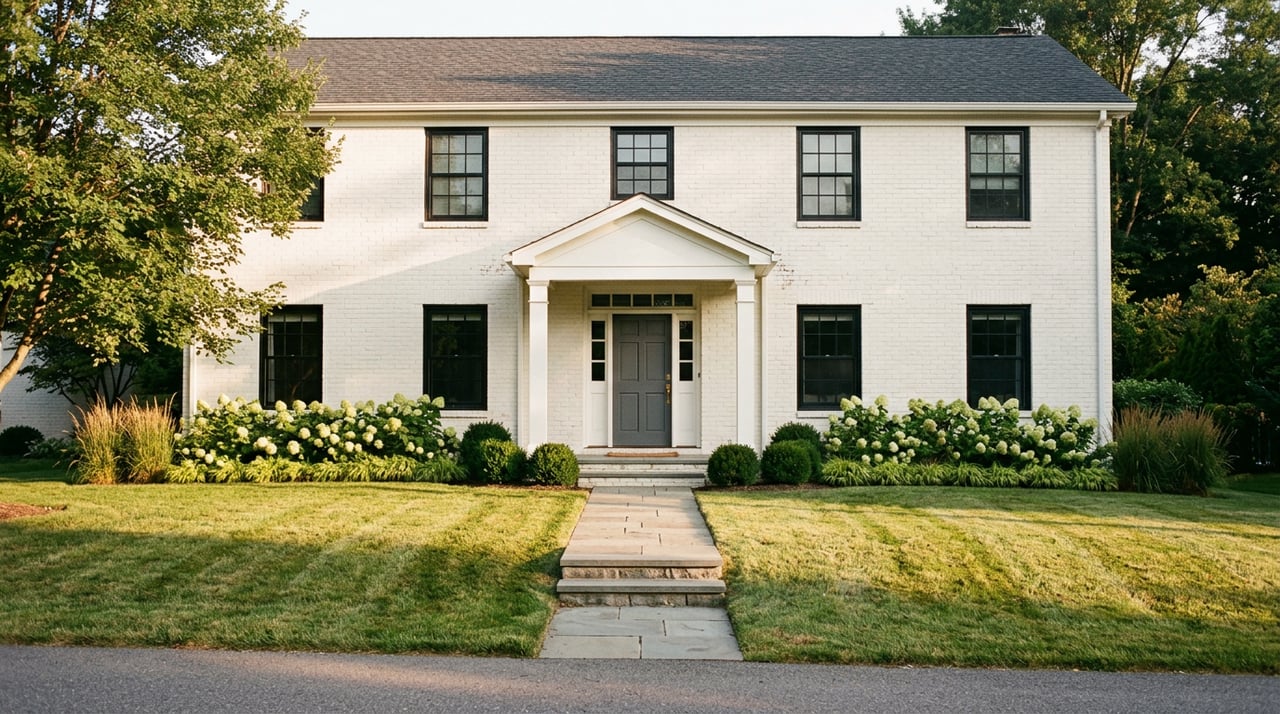
In practical terms, that means you may see features such as brick construction, stucco over brick, slate gable roofs, long rectangular windows, and restrained door details. The NPS also notes later changes like porches, rear additions, and altered façades, which are common in historic homes that have evolved over time.
That simplicity is part of Harmony’s appeal. These homes often feel grounded and authentic, and many sit within a village setting where the streets themselves are part of the historic experience. As Historic Harmony, Inc. explains, many of the area’s historic buildings are privately owned, so the district functions as both a heritage destination and a lived-in neighborhood.
A home in Harmony can offer character that newer construction simply cannot replicate, but it also comes with added responsibility. If a property is in the Historic District, exterior work may require review before construction begins. The borough states that the Historic Architectural Review Board, or HARB, reviews proposed changes in the district.
The review process covers more than major additions. Borough code says applications may involve erection, alteration, reconstruction, repair, restoration, demolition, and demolition by neglect. The ordinance also focuses on exterior features visible from a public street or way, along with design, texture, and materials in relation to surrounding structures.
For you, that means it is smart to ask early questions if you are thinking about:
The biggest mistake buyers make with historic properties is assuming they can plan first and ask later. In Harmony, it is usually better to confirm review requirements before finalizing your renovation budget or timeline.
Historic-home projects often take longer than standard exterior updates, and Harmony is no exception. The borough says HARB meets monthly, and the code allows up to 30 working days after the hearing or meeting for a recommendation to be issued.
That does not mean every project becomes difficult. It does mean you should build extra time into your plans if you hope to make visible exterior changes after closing. A buyer who wants a fast cosmetic overhaul may need a different strategy than a buyer who is comfortable with a more measured process.
Older homes need a sharper inspection lens, especially in a brick-heavy historic village. One of the biggest issues is moisture. The National Park Service guidance on controlling moisture identifies uncontrolled moisture as a major cause of deterioration in older buildings, with common sources including clogged gutters, poor drainage, cracks around windows and doors, missing mortar, older plumbing, and condensation.
When you tour or inspect a Harmony home, pay close attention to:
These issues are not unique to Harmony, but they matter even more in historic properties where deferred water management can affect masonry, wood, plaster, and interior finishes.
Because so many of Harmony’s older buildings are brick, masonry deserves special attention. The NPS preservation brief on repointing mortar joints explains that repointing is a common preservation task, but improper work can damage the masonry units themselves.
This matters when you evaluate both current condition and future maintenance costs. Fresh mortar is not always a sign of quality work, and an inexpensive repair can create larger issues if the wrong materials or methods were used. If a home shows visible brick or mortar work, it is worth asking when the work was done and how it was completed.
Windows are another area where historic character and practical ownership intersect. According to the NPS guidance on historic wood windows, windows are often an important part of a building’s character, and repair should be evaluated before replacement.
In Harmony, where simple façades and original openings are part of the district’s identity, window decisions can have both visual and regulatory implications. If you are considering a home with older wood windows, look beyond appearance alone. Condition, repairability, energy performance, and approval requirements may all play a role.
If you are buying an older home, lead-based paint should be on your checklist. The EPA states that residential lead paint was banned in 1978, but it remains in millions of homes. Buyers of most pre-1978 homes also have a right to lead disclosure before signing a contract.
The EPA also says contractors performing paint-disturbing renovation work in pre-1978 homes must be certified and follow lead-safe work practices. Even if you plan to handle smaller projects yourself, it is wise to assume lead may be present if the age of painted surfaces is uncertain.
Buying in Harmony is not just about finding a home you like. It is about matching your goals to the realities of a historic village. If you want original character, walkable charm, and a home with a real sense of place, Harmony can be a compelling option.
At the same time, it helps to go in with a clear plan. A thoughtful approach often includes:
The right guidance can make a big difference here. When you understand what makes Harmony special, you are in a much better position to buy with confidence and protect the value of your investment.
If you are considering a move in Harmony or anywhere in the North Pittsburgh area, Jennifer Mance offers thoughtful, hands-on guidance to help you evaluate homes, navigate inspections, and plan your next move with clarity.
Stay up to date on the latest real estate trends.
Jennifer Mance is dedicated to helping you find your dream home and assisting with any selling needs you may have. Contact Jennifer today for a free consultation for buying, selling, renting, or investing in Pittsburgh.