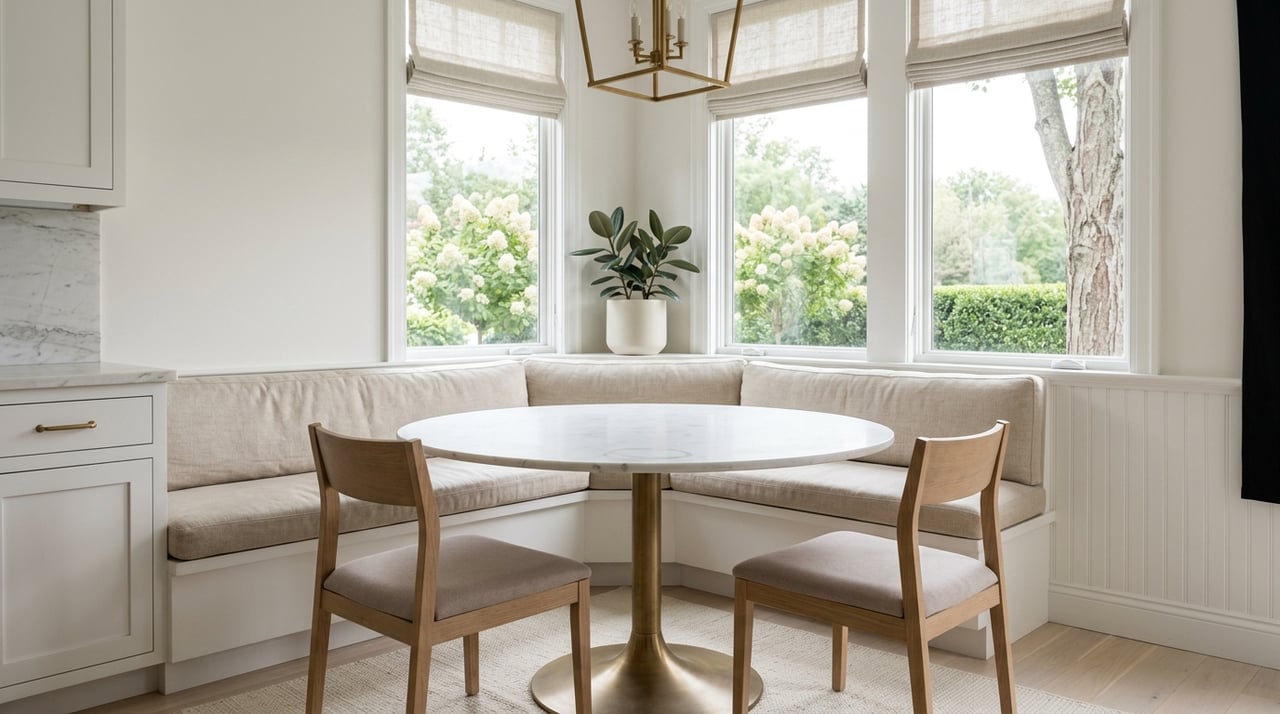
Living in Harmony PA With Access to Cranberry and Pittsburgh
June 25, 2026
June 25, 2026
If you want small-town character without giving up access to work hubs, Harmony deserves a closer look. Many buyers are trying to balance charm, convenience, and a realistic daily commute, and that can be hard to find in one place. In Harmony, you get a historic borough setting with practical access to both Cranberry and Pittsburgh. Let’s take a closer look at how that commute really works.
Harmony is a very small borough in southern Butler County, about 30 miles north of Pittsburgh. The borough says it was established in 1804 and incorporated in 1840, and its downtown is recognized as a National Historic Landmark District with more than 50 preserved buildings. That gives Harmony a distinct feel that is different from a typical suburban development.
For many buyers, that setting is part of the appeal. You can enjoy a historic small-town environment while staying connected to larger employment and shopping destinations nearby. If your work takes you to Cranberry or into Pittsburgh, Harmony offers a location that can support both routines.
For many people, Cranberry is the easier daily drive. Route estimates place the trip from Harmony to Cranberry at about 10 miles and around 11 minutes in non-stop conditions via I-79 south. In practical terms, that makes Cranberry feel like a short hop rather than a major commute.
That short distance matters because Cranberry is a major regional destination. The township describes itself as a regional retail center with corporate, industrial, and research employers, and it notes that more people commute into Cranberry for work than leave it. If your job, errands, or regular appointments are in Cranberry, Harmony puts you within easy reach.
If your work takes you into Pittsburgh, the trip is longer but still workable for many households. Route estimates place Harmony to Pittsburgh at roughly 29 miles and about 31 minutes in non-stop conditions. That helps explain why some buyers see Harmony as a way to keep a small-town home base while staying connected to the city.
Of course, those numbers are best-case estimates. Actual drive times can change based on the time of day, traffic, weather, and where in Pittsburgh you need to go. Even so, the overall picture is clear: Cranberry is the shorter suburban commute, while Pittsburgh remains a realistic regional commute for many professionals.
A commute can look simple on paper but feel different during peak hours. Cranberry Township has noted that rapid growth has led to more traffic, and its transportation planning includes adaptive traffic signals, dedicated turning lanes, parallel local roads, and corridor work along Route 19, Route 228, and Freedom Road. That tells you the area is practical for commuters, but timing still matters.
If you are comparing homes in Harmony, it helps to think beyond mileage alone. Your start time, your office location, and how often you need to be on the road each week can make a big difference in your daily experience. For hybrid workers especially, a manageable drive a few days a week may feel very different from a five-day commute.
Harmony’s commute data shows a car-first pattern. Census Reporter lists a mean travel time to work of 20.8 minutes, with 76% of workers driving alone, 11% carpooling, 9% working from home, and 0% using public transit in the place-level data. That lines up with the broader county pattern, where private vehicles remain the default way to get to work.
For buyers, this is useful context. If you are moving to Harmony, you should expect driving to be the main part of your routine, even if you occasionally use transit for a Pittsburgh workday. The area supports commuting, but it does not function like a dense transit-centered neighborhood.
If you do not want to drive all the way into Pittsburgh every day, there is a commuter-bus option to know about. Butler Transit Authority runs weekday commuter service and advertises real-time tracking, free Wi-Fi, USB charging ports, mobile ticketing, and free park-and-ride lots. The current Route 68 / I-79 / I-279 service includes Pittsburgh-bound stops at the Route 528 / I-79 Park n Ride in Zelienople, Edco Park in Evans City, and stops in downtown Pittsburgh and the East Busway.
The posted one-way cash fare is $5. Harmony also appears on Butler Transit Authority’s commuter route map along the Route 68 line, which shows its connection to the Pittsburgh commuter corridor. Still, the system is best understood as a commuter-bus and park-and-ride setup, not an all-day local transit grid.
One reason Harmony works so well for many buyers is its relationship to Cranberry. Cranberry sits at the intersection of I-79 and the Pennsylvania Turnpike, with major regional highways nearby. The township also says travel time between Cranberry and Pittsburgh is less than half an hour, which reinforces its role as a key midpoint in the region.
That means living in Harmony can give you access to two different scales of daily life. You have the smaller borough setting at home, then nearby access to larger employment, retail, and service destinations in Cranberry, plus a workable route toward Pittsburgh. For many households, that mix creates flexibility that is hard to ignore.
Not every buyer is commuting five days a week anymore. Harmony’s local commute data shows that 9% of workers work from home, and that helps round out the picture. For some households, the goal is not to eliminate commuting entirely but to find a place where office days and home days can coexist more comfortably.
That is where Harmony stands out. If you only need to be in Cranberry or Pittsburgh part of the week, the location may feel even more practical. You can keep access to major job centers while enjoying a quieter home base the rest of the time.
The clearest way to think about Harmony is as a small-town home base with regional reach. Harmony’s borough pages highlight its preserved historic district, shops, restaurants, and civic calendar. Cranberry, by contrast, emphasizes retail, corporate employment, and regional transportation access.
That creates a day-to-day pattern many buyers can picture right away. Home life stays rooted in a historic borough setting, while work, larger errands, and many services are often tied to Cranberry or Pittsburgh. If you want a location that supports both character and convenience, Harmony presents a compelling middle ground.
Harmony may be worth serious consideration if you want more personality than a conventional suburban setting and still need practical access to work. It can be especially appealing if you commute to Cranberry, split time between home and office, or need occasional access to Pittsburgh without living in the city itself. The commute story here is not about perfect transit convenience. It is about realistic regional access from a distinctive place to live.
If you are weighing Harmony against other North Pittsburgh communities, the right choice often comes down to your weekly routine. The distance to Cranberry is short, the route to Pittsburgh is manageable for many buyers, and the setting offers a sense of place that stands apart. When those priorities line up, Harmony can make a lot of sense.
If you are exploring communities that balance lifestyle and commute in the North Pittsburgh area, Jennifer Mance can help you compare locations, evaluate home options, and move forward with a plan that fits your goals.
Stay up to date on the latest real estate trends.
Jennifer Mance is dedicated to helping you find your dream home and assisting with any selling needs you may have. Contact Jennifer today for a free consultation for buying, selling, renting, or investing in Pittsburgh.