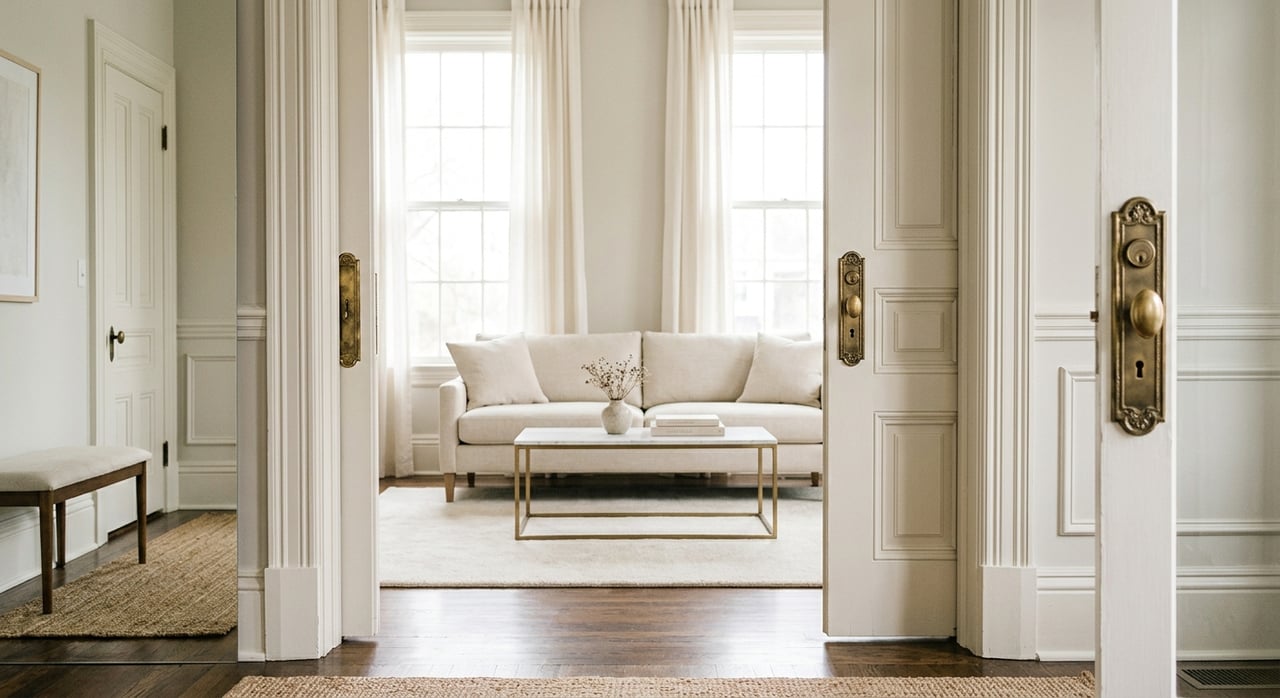
Selling A Historic Home In Harmony Without Losing Its Soul
July 2, 2026
July 2, 2026
Thinking about selling a historic home in Harmony can feel like a balancing act. You want to protect the details that make your property special while still preparing it for today’s buyers and the local review process. The good news is that with the right strategy, you can highlight your home’s story, preserve its character, and position it well in the market. Let’s dive in.
In Harmony, history is not just background. It is part of what gives a home its identity and appeal.
The borough says Harmony was settled by German immigrants in 1804, incorporated in 1840, and designated a National Historic Landmark District in 1974. It also says more than 50 preserved buildings remain in the historic district. That gives buyers a clear sense that they are not just purchasing a house, but a place with visible roots and a strong historic setting.
For many buyers, that sense of authenticity is the draw. Original brick, stone, stucco, wood siding, porch details, rooflines, and the way neighboring buildings relate to one another all help a home feel grounded in Harmony’s past.
When you sell a historic home, your goal is not to make it look like every other listing. Your goal is to show why it feels timeless, cared for, and true to its setting.
The National Park Service describes National Historic Landmarks as places of exceptional value in American history and culture. In practical terms, that means the designation itself can support your marketing when you present it accurately and avoid overstatement.
That story becomes even stronger when you can point to specific features buyers can see and appreciate. Original materials, preserved architectural details, and a home’s relationship to the street all help create a compelling first impression.
Before you tackle pre-sale updates, it is important to understand Harmony’s local process. In the historic district, visible exterior changes are not something to guess at.
Harmony Borough’s Chapter 11 says no structure in the historic district may be erected, demolished, removed, or externally altered unless a permit application is submitted to the Zoning Officer and referred to the Board of Historical Architectural Review. The borough also states that the board must approve changes before construction begins.
This review is focused on the parts of a home people can see from the street or another public way. That includes windows, doors, shutters, light fixtures, signs, porches, steps, materials, textures, and roof shapes.
The ordinance also says no vinyl or aluminum siding may be used on masonry walls, and no vinyl or aluminum capping may be used on character-defining features. If you are planning quick cosmetic fixes before listing, these details matter.
This is one area that often causes confusion for sellers. A historic designation does not automatically mean you cannot sell, improve, or live normally in your home.
In Pennsylvania, National Register listing by itself does not impose federal restrictions on private owners or require public access. Harmony’s local historic-district ordinance is the framework that governs visible exterior changes, so that is the rulebook that matters most as you prepare to sell.
If you are unsure whether a project needs review, it is wise to ask before hiring contractors or ordering materials. Harmony’s HARB ordinance says the board can advise owners about rehabilitation, repairs, maintenance methods, adaptive use, economic and tax incentives, and other preservation strategies.
That early guidance can save time, money, and frustration. It can also help you avoid making a change that slows your listing timeline or weakens the home’s historic appeal.
When sellers prepare an older home for market, it is easy to assume replacement is the fastest path. In many historic homes, repair is often the better move.
The Secretary of the Interior’s Standards for Rehabilitation favor repair over replacement when historic features are deteriorated. The guidance also cautions against incompatible substitute materials.
That approach fits Harmony well. The local ordinance emphasizes facade proportions, window and door size relationships, porch rhythm, materials, textures, roof shapes, scale, and compatibility with the street and district.
In many cases, the safest and most effective improvements are careful maintenance and selective restoration. These updates can improve presentation without stripping away the details buyers came to see.
Consider focusing on:
These steps can help your home feel well-maintained and market-ready while keeping its defining features visible.
Some exterior projects carry more risk because they can affect both the review process and the home’s visual integrity. If you are considering changes in these areas, pause and confirm what is appropriate first.
Be especially careful with:
A rushed update may look new, but it can also flatten the character that makes a Harmony home stand out.
Historic homes sell best when the marketing explains why they matter. Buyers need more than room counts and surface-level charm.
A strong listing story should begin with provenance. That can include when the home was built, what original materials or details remain, what restoration work has been completed, and whether visible exterior changes were approved through the borough process.
In Harmony, the broader borough history adds real depth to that story. The National Park Service nomination and the borough’s own history help place an individual home within a larger and meaningful setting.
Photography matters even more when the home’s exterior character is part of its value. In a place like Harmony, your images should not treat the facade as an afterthought.
Because the local ordinance places importance on openings, porch projections, materials, textures, and architectural details, marketing photos should clearly show the front elevation, porch, windows, doors, masonry, and roof profile. Clean, uncluttered visuals help buyers see the craftsmanship and context.
This is where thoughtful presentation can make a difference. A polished, well-planned listing package can help your home feel both distinctive and approachable.
Buyers drawn to historic homes usually want authenticity, but they also want to understand how the home works for modern life. Your marketing should speak to both.
The National Park Service treats rehabilitation as a way to preserve a property’s integrity while allowing compatible contemporary use. For sellers, that means you can talk confidently about updated systems, practical layouts, and useful improvements, as long as you are clear about what is original, what has been restored, and what has been added.
That balance builds trust. It helps buyers picture themselves enjoying the home without wondering what has been lost or altered.
Selling a historic home in Harmony is not about making it look newer than it is. It is about presenting it with care, accuracy, and respect for what makes it different.
That usually means starting with the right pre-listing plan, choosing repair-first improvements, confirming whether exterior work needs approval, and building marketing around the home’s real architectural story. When you do that well, you give buyers a reason to connect emotionally while also giving them clear, useful information.
If you are preparing to sell in Harmony and want a thoughtful, marketing-driven plan for your home, Jennifer Mance can help you position it with the care, strategy, and presentation it deserves.
Stay up to date on the latest real estate trends.
Jennifer Mance is dedicated to helping you find your dream home and assisting with any selling needs you may have. Contact Jennifer today for a free consultation for buying, selling, renting, or investing in Pittsburgh.