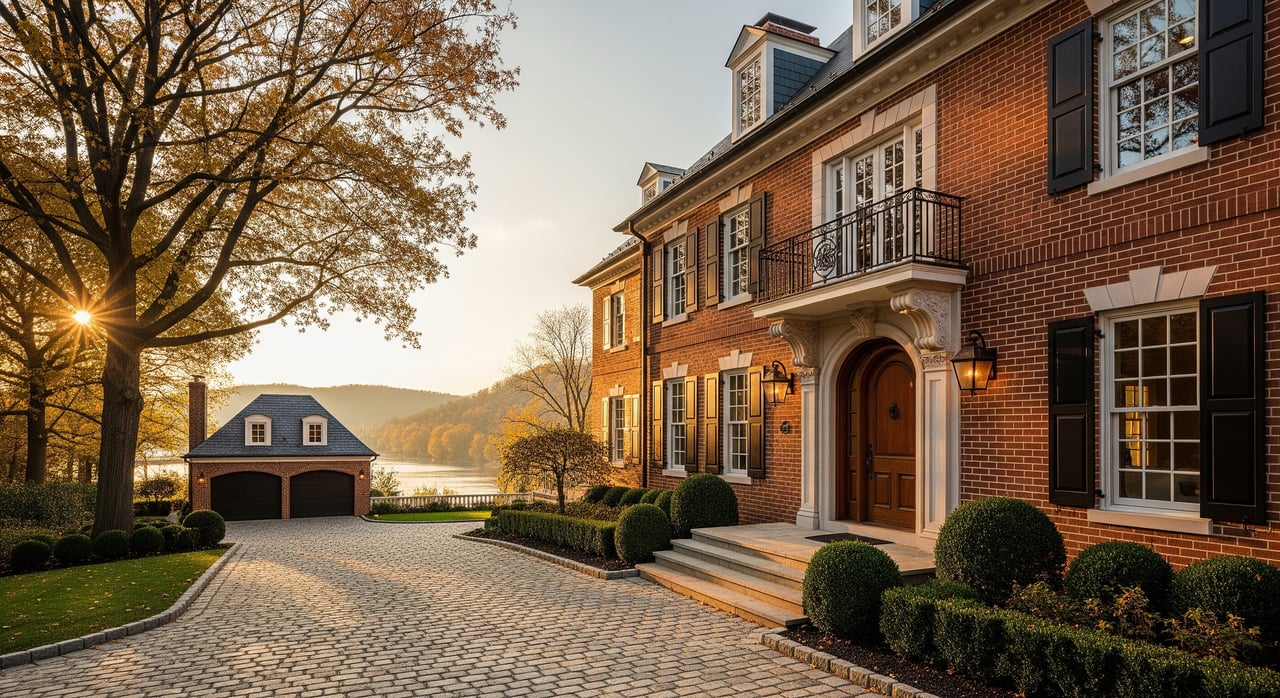
What Is an Appraisal Gap in Sewickley? A Buyer’s Guide
December 4, 2025
December 4, 2025
Have you heard stories of great offers falling apart after the appraisal? If you are shopping in Sewickley, this can feel like a real risk. Low inventory, unique homes, and multiple offers can push prices ahead of recent sales, which is where appraisal gaps appear. In this guide, you will learn what an appraisal gap is, why it happens in Sewickley, and practical ways to write a stronger offer while protecting your budget. Let’s dive in.
An appraisal gap is the difference between the agreed purchase price and the home’s appraised value. Lenders base the loan on the appraised value, not the contract price. If the appraisal comes in lower, the loan amount may shrink and you must cover the gap in cash or renegotiate.
Here is a simple example. If you agree to buy a home for $800,000 and the appraisal is $770,000, the gap is $30,000. Your lender will size the loan on $770,000, so you either bring $30,000 more to closing, ask the seller to adjust, or find another solution.
Why it matters: in competitive offers, buyers often bid above list price. Without planning for a potential gap, you could face last-minute stress, larger funds to close, or a canceled deal.
Sewickley is a small, sought-after borough in Allegheny County. At times, limited inventory and strong buyer demand can push prices higher than recent comparable sales. That can lead to appraisal shortfalls. The area also features historic homes, custom renovations, and streets where few recent sales exist. Appraisers often have to reach beyond the immediate block or make larger adjustments, which raises variability.
In fast-changing conditions, closed sales may lag current buyer activity. If several buyers compete and push a price upward, the appraisal may not capture that shift right away. That is why careful preparation and a clear plan for potential appraisal gaps are important.
An appraisal is an independent valuation ordered by your lender to assess risk. It is not a home inspection. The appraiser’s job is to estimate market value, usually using recent closed comparable sales and adjustments for size, condition, lot, upgrades, and location.
Appraisals are typically ordered after you apply for a loan. Turnaround can range from a few days to a couple of weeks. In fast-moving markets, timing can create a mismatch between recent comps and what buyers are currently offering.
Common reasons for a low appraisal include:
You can combine several of these approaches. The best path depends on your loan, cash reserves, and seller’s flexibility.
You bring additional cash to closing for the amount of the shortfall. Many buyers use this in competitive situations if they have the funds available. Confirm with your lender how the added cash affects your loan-to-value ratio and funds to close.
You can commit in your offer to cover a shortfall up to a set amount. For example, you might state you will cover up to $20,000 of any appraisal gap. This strengthens your offer against competing bids but increases your financial exposure. In Pennsylvania, this language is contractual and must be written clearly with a dollar cap.
If the appraisal is low, you can ask the seller to adjust. Options include a price reduction, a seller credit, or splitting the gap. In a hot market, a seller may hold firm. In balanced conditions, a modest adjustment may keep the deal on track. Any change requires a signed amendment.
If you find missed comps, factual errors, or overlooked improvements, you can ask your lender to submit a formal reconsideration of value. Strong evidence is key. Provide recent closed sales, correction of square footage or features, and documentation for updates. Results vary, so act quickly.
Some buyers limit or waive the appraisal contingency to compete. This carries higher risk. If you waive the contingency and the value comes in low, you must cover the difference or you could risk loan denial if you cannot. A capped approach, such as waiving up to a specific dollar amount, can balance strength with protection.
You can increase your down payment so the loan amount still fits the appraised value and you cover the rest in cash. If you have the ability to purchase with cash, you can move forward without a lender appraisal, although some cash buyers still order one for peace of mind.
If your agreement includes an appraisal contingency and you cannot reach terms, you may be able to terminate and recover your earnest money under the contract. If you waived the contingency, review your obligations before canceling.
Different loan programs have different appraisal rules. Understanding these helps you plan your strategy.
For conventional loans, lenders size the loan based on the appraised value. You can raise your down payment to cover a gap. Lenders may allow a reconsideration request when there are credible comps or errors.
FHA loans require the appraisal to support the mortgage amount. You can still pay the difference in cash if the value is low. FHA also includes minimum property standards that could affect approvals and repairs.
VA loans follow VA appraisal rules and timelines. Buyers can pay the difference between contract price and appraised value, subject to lender approval and program requirements.
Jumbo lenders often have stricter appraisal review processes. You may see additional documentation or a second opinion for higher-priced properties.
Some borrowers may receive appraisal waivers or automated valuations, but for purchase loans this is less common. Do not count on a waiver when crafting your offer in a competitive Sewickley scenario.
Pennsylvania does not prohibit appraisal gap clauses, and parties can negotiate these terms in writing. Standard REALTOR forms can be modified to include gap language. If you are unsure about terms or caps, discuss contract details with your agent or an attorney.
A little planning goes a long way in Sewickley’s competitive moments. Use these steps before you write and after you receive an appraisal.
Appraisal gaps are manageable when you prepare in advance. With a clear budget, strong lender communication, smart contract language, and local guidance, you can compete in Sewickley with confidence. If you want help tailoring an offer strategy and planning for appraisal risk, connect with a trusted local advisor.
If you are buying or selling in Sewickley or the North Pittsburgh suburbs, reach out to Jennifer Mance for tailored guidance, market data, and hands-on support from offer to closing. Start the conversation with Jennifer Mance.
Stay up to date on the latest real estate trends.


Jennifer Mance is dedicated to helping you find your dream home and assisting with any selling needs you may have. Contact Jennifer today for a free consultation for buying, selling, renting, or investing in Pittsburgh.