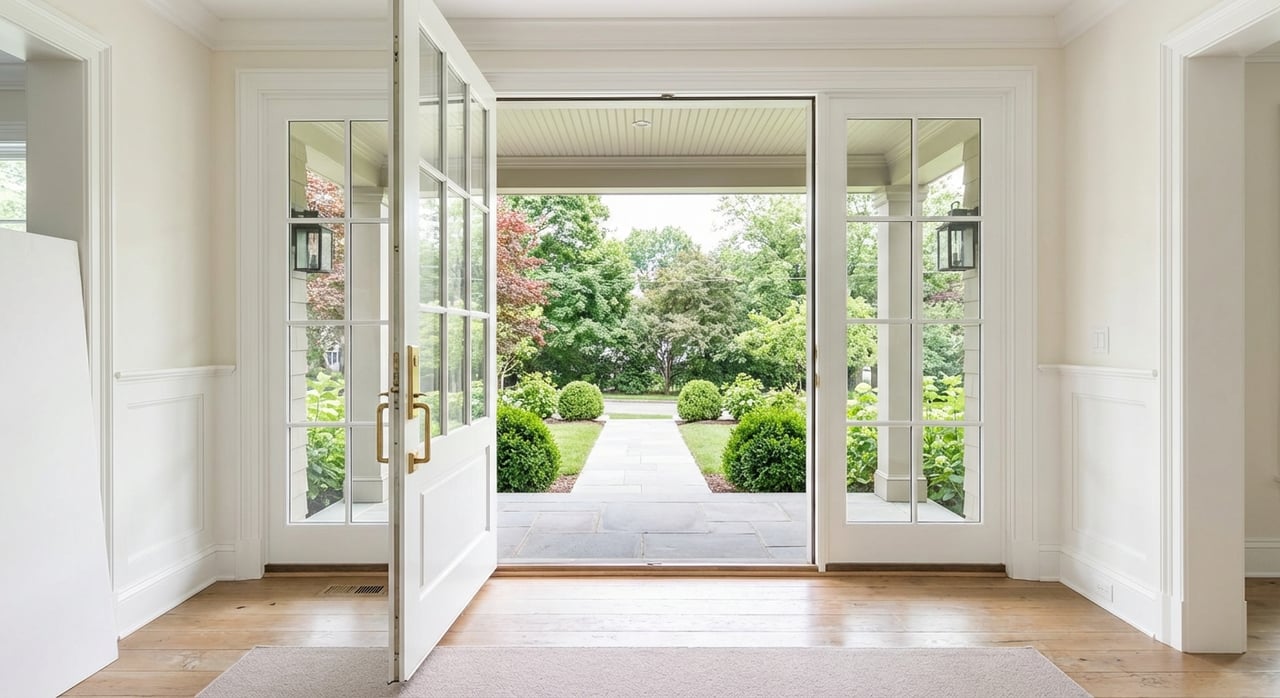
How the Wexford PA Housing Market Shapes Your Home Sale
February 19, 2026
February 19, 2026
Thinking about selling in Wexford but not sure how today’s numbers translate to your bottom line? You’re not alone. In a small market where active listings are measured in dozens, every pricing and timing decision matters. Here, you’ll learn how local prices, inventory, rates, and seasonality shape your strategy, plus what steps help you sell faster and closer to your ask. Let’s dive in.
Wexford’s public data shows a steady, price-aware market. Recent portal reports place the median sale price in the upper 400s to low 500s, with a typical home value also landing near the low 500s. Different sources use different methods, which is why you see a range in the medians.
Active inventory is low in absolute terms. Depending on the week and the feed, you will see only a few dozen listings across Wexford. In a market this small, a handful of new or withdrawn listings can shift the data quickly.
Homes are taking roughly two months to sell on average, and recent sale-to-list figures hover near 100 percent. That pairing tells you two things. Accurate pricing and strong presentation are rewarded. Overpricing often leads to longer days on market and price cuts.
Parts of Wexford are served by districts that many buyers prioritize in their search, including Pine-Richland and North Allegheny. If your home falls in one of these attendance areas, that fact belongs front and center in your marketing. You can share district information using official resources such as the Pine-Richland School District.
Zip 15090 has higher household incomes and education levels than the county average. Publicly available Census-derived estimates place median household income around the mid 150s to low 160s. That supports stable pricing and a buyer pool with capacity, though sensitivity still exists for entry and mid-price segments. See median household income estimates for 15090 for context.
Wexford functions as a North Pittsburgh suburb with typical one-way commutes in the high 20-minute range. Proximity to I-79 and job centers in the northern corridor adds appeal for relocating buyers and hybrid workers. View typical commute times in 15090 for a quick reference.
Most signals point to the market center landing between the mid 400s and low 500s. In practice, that means the broadest buyer pool often sits between about 350,000 and 650,000. Townhomes and smaller single-family homes tend to trade at the lower end of that band, while larger custom homes sit above it.
Public websites do not publish a clean, apples-to-apples table of sales by narrow price bands for a neighborhood this small. The best way to know where your listing fits is a custom MLS report that breaks down 12 months of solds by price bracket, days on market, and sale-to-list ratio. Ask for this early. It will help you set a confident price and plan your timeline.
In Wexford, the early spring window is powerful. National research that looks at seasonal patterns points to mid April as a repeat sweet spot. If you can align prep and repairs to list between mid April and May, you can meet a concentrated wave of buyers.
If spring is not realistic, you have options. Late spring and early summer can still perform well. Off-season listings can also work with the right strategy. You may lean more on price, presentation, and flexible terms to draw qualified buyers.
Rates around the low 6 percent range influence affordability and the size of the active buyer pool. You can track weekly movement using the Freddie Mac PMMS update. Small drops can noticeably widen your audience, while upticks can increase payment sensitivity for marginal buyers.
There is also a broader “lock-in” effect. Many owners with very low pandemic-era rates are staying put, which reduces the number of homes for sale. Analysts note that more favorable rates can loosen this effect and bring more supply over time. See Freddie Mac’s research on the lock-in effect for context.
Start with a West Penn MLS comp set covering solds in the past 90 to 180 days in your immediate area. Add a 365-day view to understand seasonality and shifts. Pay special attention to days on market and sale-to-list ratio by price band. If similar homes that launched at your hoped-for price needed reductions, plan accordingly.
When homes are selling near asking on average, the margin for error is small. If you want to push price, deliver a premium experience that backs it up. That means polished prep, professional photography, staging guidance, and complete listing details that build buyer confidence before the first showing.
If your likely buyers are rate-sensitive, consider smart incentives. A temporary buydown, a modest closing-cost credit, or a home warranty can widen your pool without a headline price cut. Structure any concession within lender rules and only after you have tested market response. Keep the focus on net proceeds and speed to close.
You do not need a full renovation to win. You need to remove friction for the next owner and make the home easy to love online and in person.
This is where a marketing-first approach adds real value. Coordinated staging, strategic upgrades, and magazine-quality media can deliver a measurable lift in attention and price confidence.
For homes above roughly 700,000 to 800,000, expect a longer buyer search cycle and more selective showings. Upper-tier buyers compare carefully and often need time to align purchase and sale timelines. Plan for elevated marketing, targeted outreach to relocation channels, and a flexible closing window when possible.
A premium listing plan should include private previewing for qualified buyers, custom property pages, and proactive follow-up after every showing. These touches support price and help you hold firm during negotiation.
Use this simple plan to get market-ready without losing momentum.
Week 1: Pricing and planning
Week 2: Prep and vendor work
Week 3: Styling and media
Week 4: Launch strategy
In the first 7 to 10 days, you should see the highest traffic if price and presentation are aligned. If activity is light, address it quickly. Adjust exposure, improve visuals, or refine price and terms based on feedback.
When offers arrive, look beyond headline price. Compare financing type, requested credits, timeline, and appraisal risk. A slightly lower offer with stronger certainty can preserve your net and keep you on schedule.
Ready to translate this data into a tailored plan for your home? Connect with Jennifer Mance for a marketing-first valuation, staging plan, and a clear timeline to list with confidence.
Stay up to date on the latest real estate trends.


Jennifer Mance is dedicated to helping you find your dream home and assisting with any selling needs you may have. Contact Jennifer today for a free consultation for buying, selling, renting, or investing in Pittsburgh.